Catégorie
Traçabilité
blog.tag.count
Notre registre commençait trop tard
« Vous vendez de la traçabilité et vous ne pouvez pas prouver qui écrit vos articles. » L’objection est juste, et ce qu’elle révèle est pire que ce qu’elle vise.

Four Hundred Thousand Sensors That Did Not Exist
eFishery reported 400,000 connected feeders at the edge of its ponds. There were 24,000. What its collapse says to anyone who sells traceability.

Two Honest People Who Fail to Close
A canteen, a market gardener, a deal that was there to be had — and no deal. A 1983 theorem states what no amount of traceability will ever fix.

Nobody Is Cheating — And That’s Exactly the Problem
John Nash, the prisoner’s dilemma and the stag hunt: why an entire food chain coordinates on price without a single one of its players behaving badly.

Why the Orchard Never Gets Planted
Oliver Williamson: asset specificity, the fundamental transformation, the hold-up. The real cost of opacity is not in the disputes — it is in the orchards that are missing.
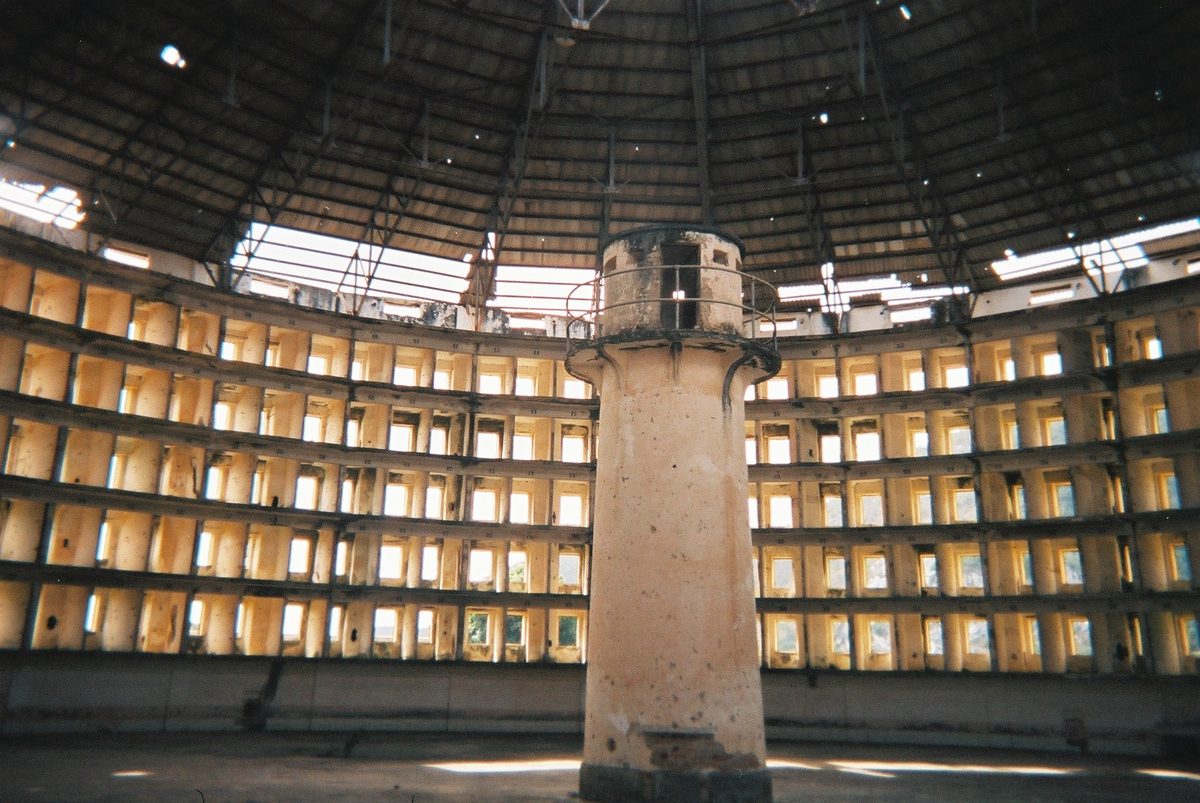
The Gaze You Can’t Return
“It’s surveillance.” With Foucault and the panopticon: the three properties of a surveillance device — which ones a registry can reverse, and which it never can.

What Our Registry Will Never Be Able to Write
“You can’t put everything on a form”: with James C. Scott, mètis, and the Prussian forest — what a registry can attest to, and what it must never grade.
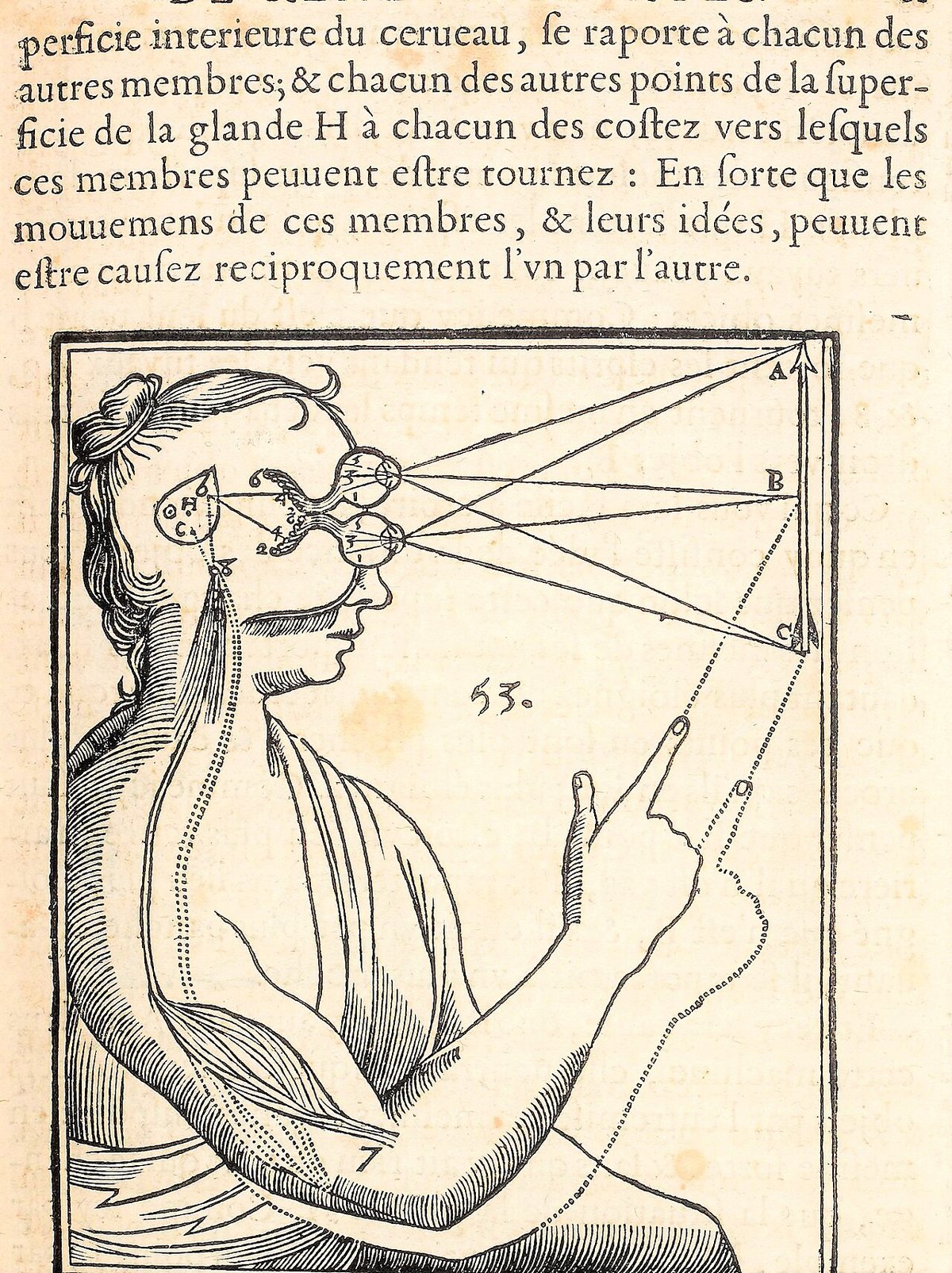
The Batch Number Is a Pineal Gland
Descartes separated thought and extension, then glued them back together with the pineal gland. Declarative traceability does the same thing with the batch number.
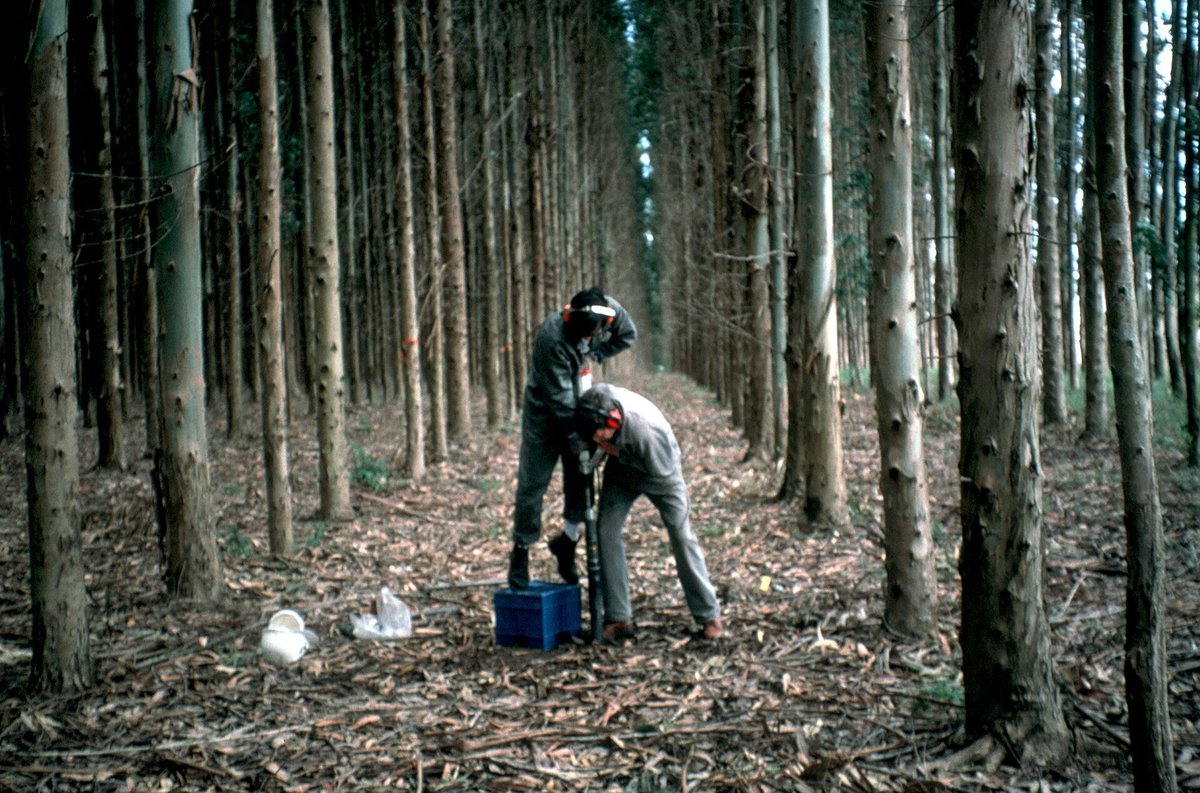
A Proof Is Not a Fact. It Is a Path.
What makes a proof is neither sincerity nor precision, but continuity: a chain of transformations in which every link remains reversible.
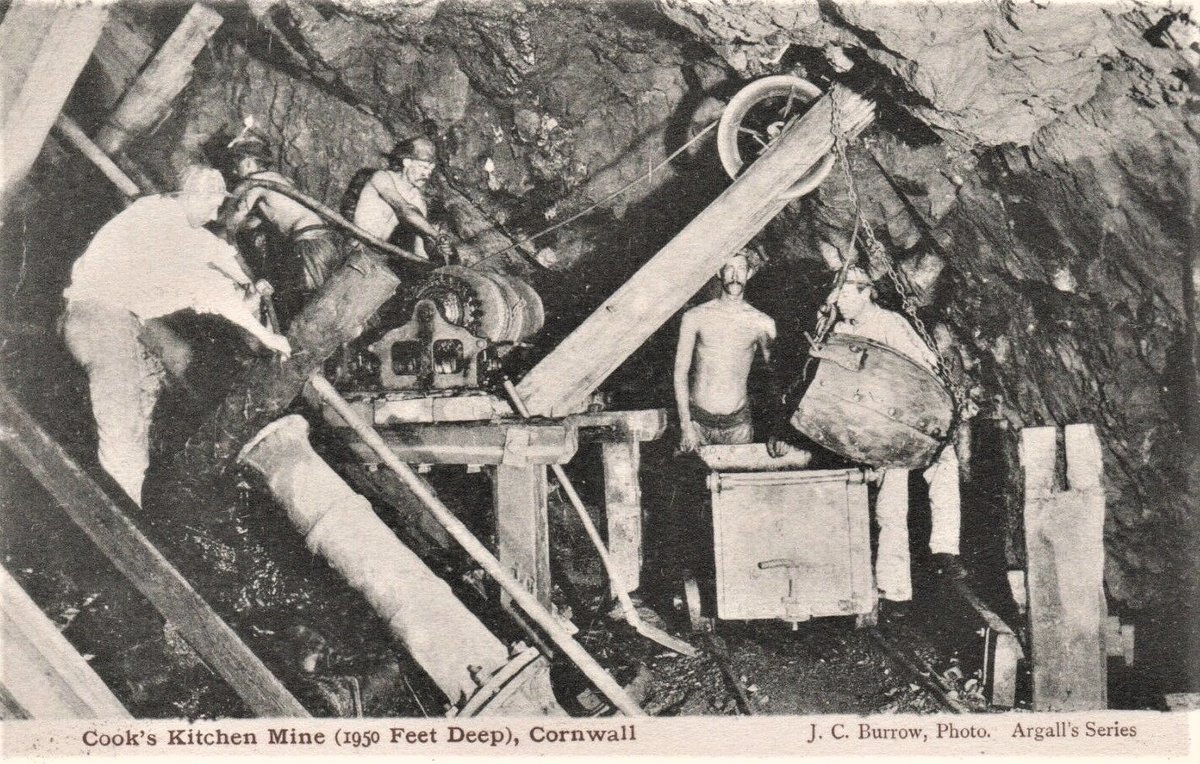
What the Price Doesn’t Say
Hayek (1945): price circulates knowledge that no one holds. But it says nothing about quality or path: nothing is missing from the price — what is missing is a price.
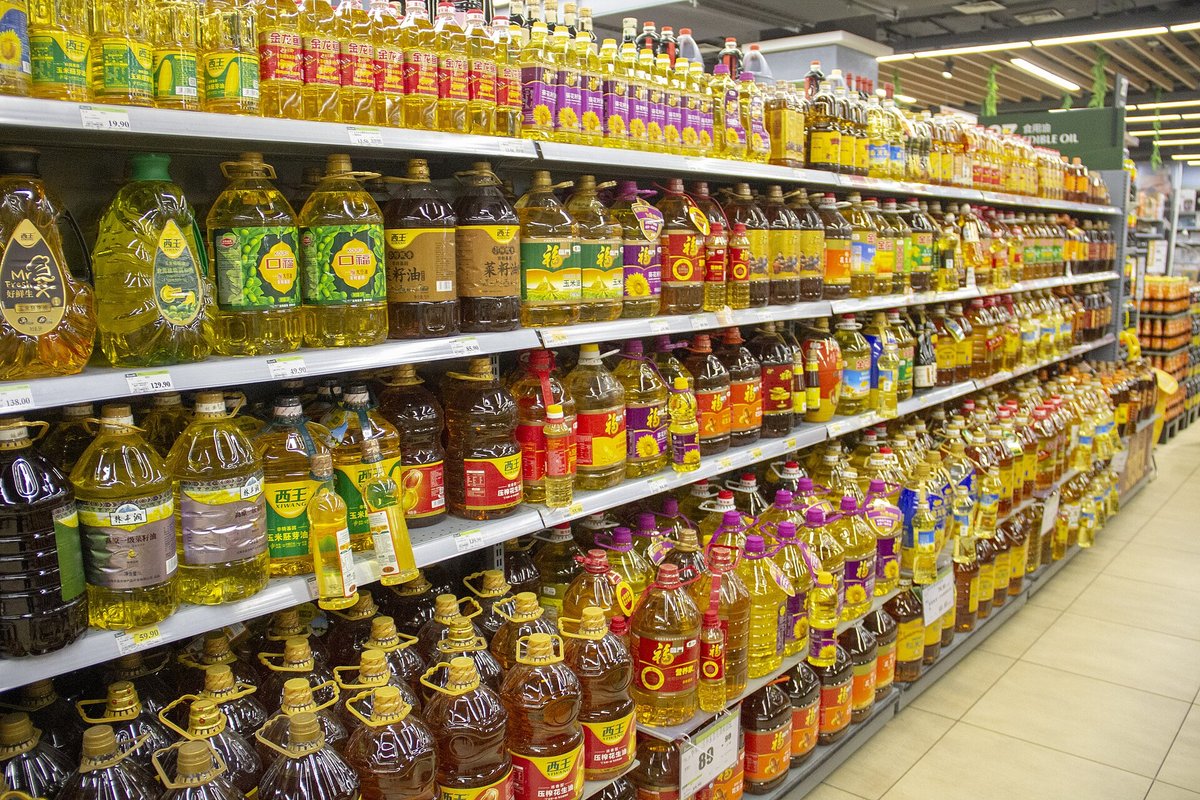
No One Will Read the Label
Herbert Simon, bounded rationality: four seconds facing thirty options. The label is a rational shortcut — but it still has to be decompressible.
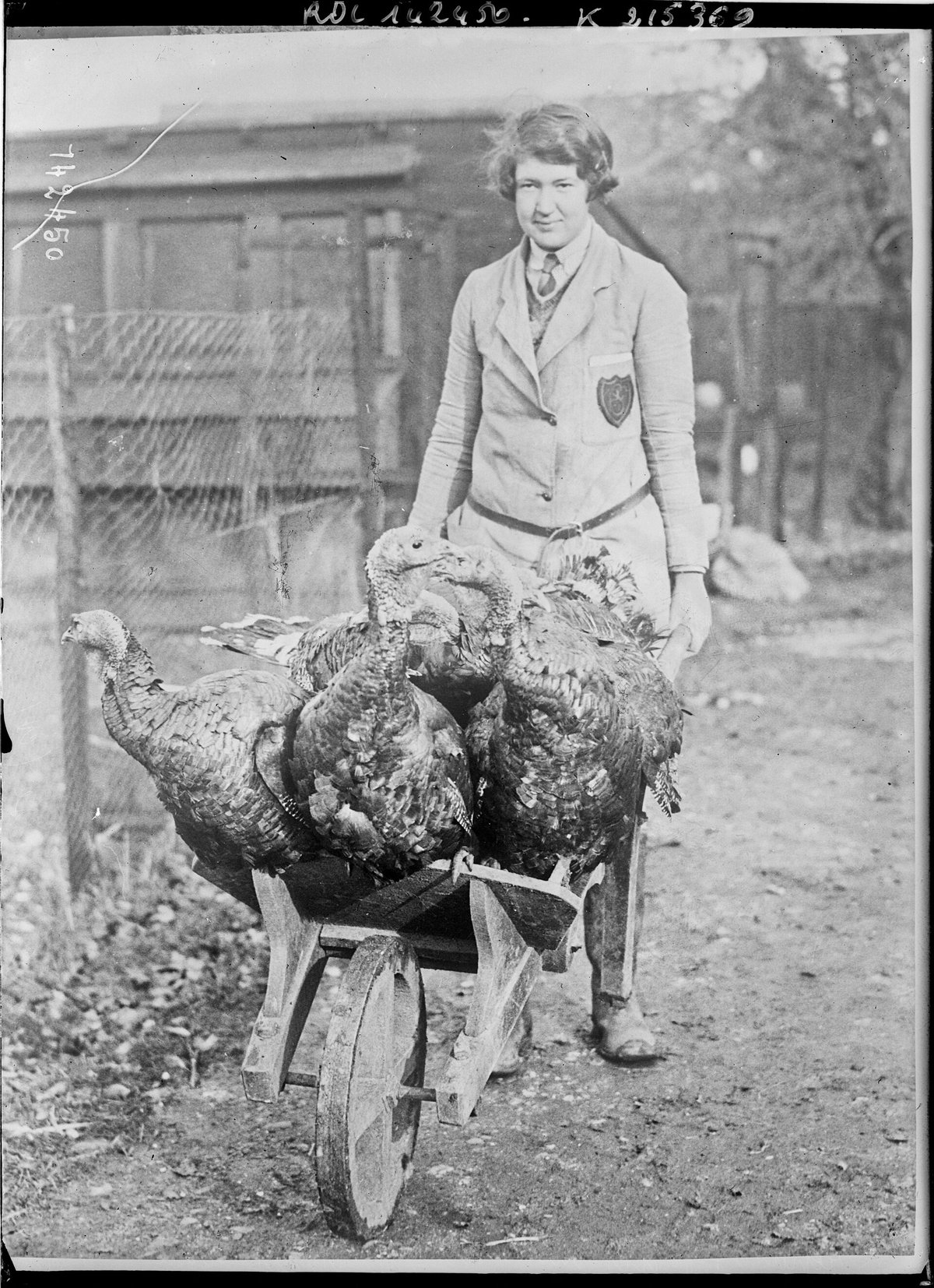
Everything Was Fine the Day Before
Taleb’s turkey, the optimization that hides its trade-off, the aviation industry that learns: why an opaque chain breaks silently, then all at once.

The Market for Lemons: What Akerlof Tells Us About Traceability
George Akerlof’s (Nobel laureate 1970) “market for lemons” theory explains why, absent proof, a product’s invisible quality ends up priced at the market average — and how traceability answers that.

Why Labels No Longer Convince Anyone
Michael Spence (Nobel 2001), costly signaling, and what separates proof from a promise: why a label anyone can slap on no longer signals anything — and how proof changes the game.
Who Sorts, When No One Proves Anything?
Joseph Stiglitz (Nobel 2001), screening, and why food sovereignty begins with verification: when the seller doesn’t signal, it’s the buyer who organizes the sorting.
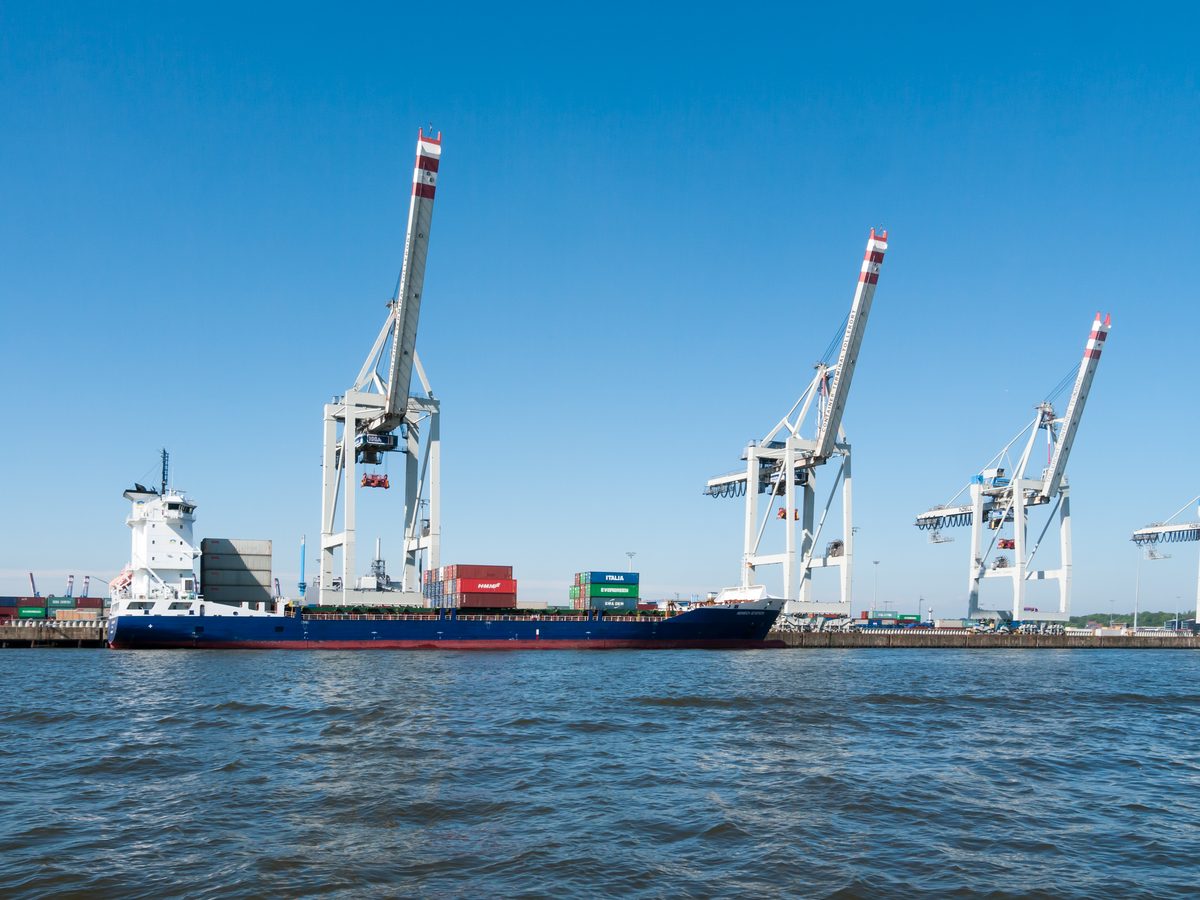
Why Opacity Pays
Ronald Coase (Nobel 1991), transaction costs, and what happens to food supply chains when verification stops costing anything: the opacity rent, and its foretold end.
Who Owns the Proof?
Elinor Ostrom (Nobel 2009), the governance of the commons, and the question that killed the agricultural-data platforms: proof whose value lies in its mass can only belong to those who create it.
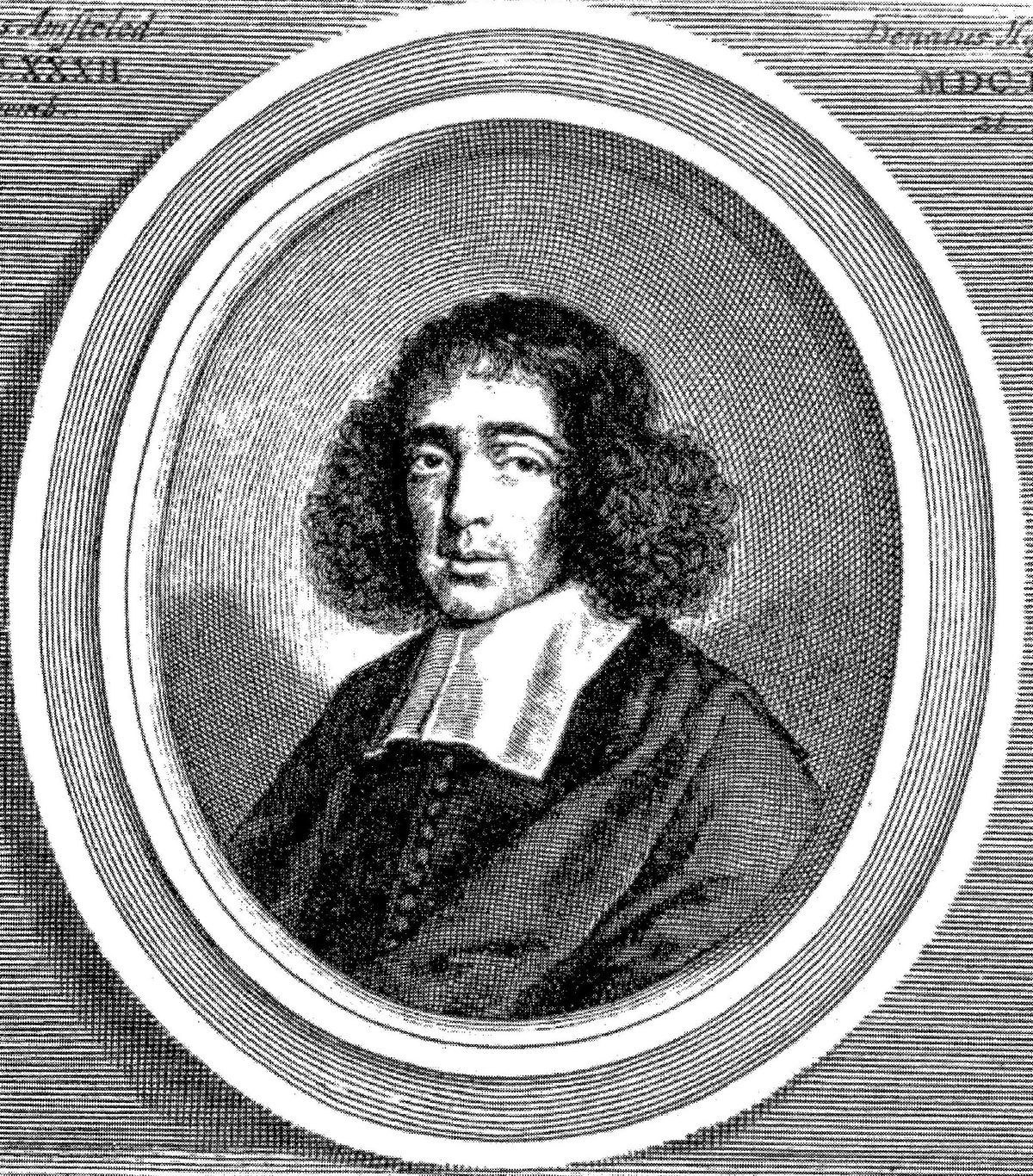
Import Is Not a Sin
Import = bad, local = good? With Spinoza: the good is not a property but a relation. Traceability is a matter of proof, not morality.
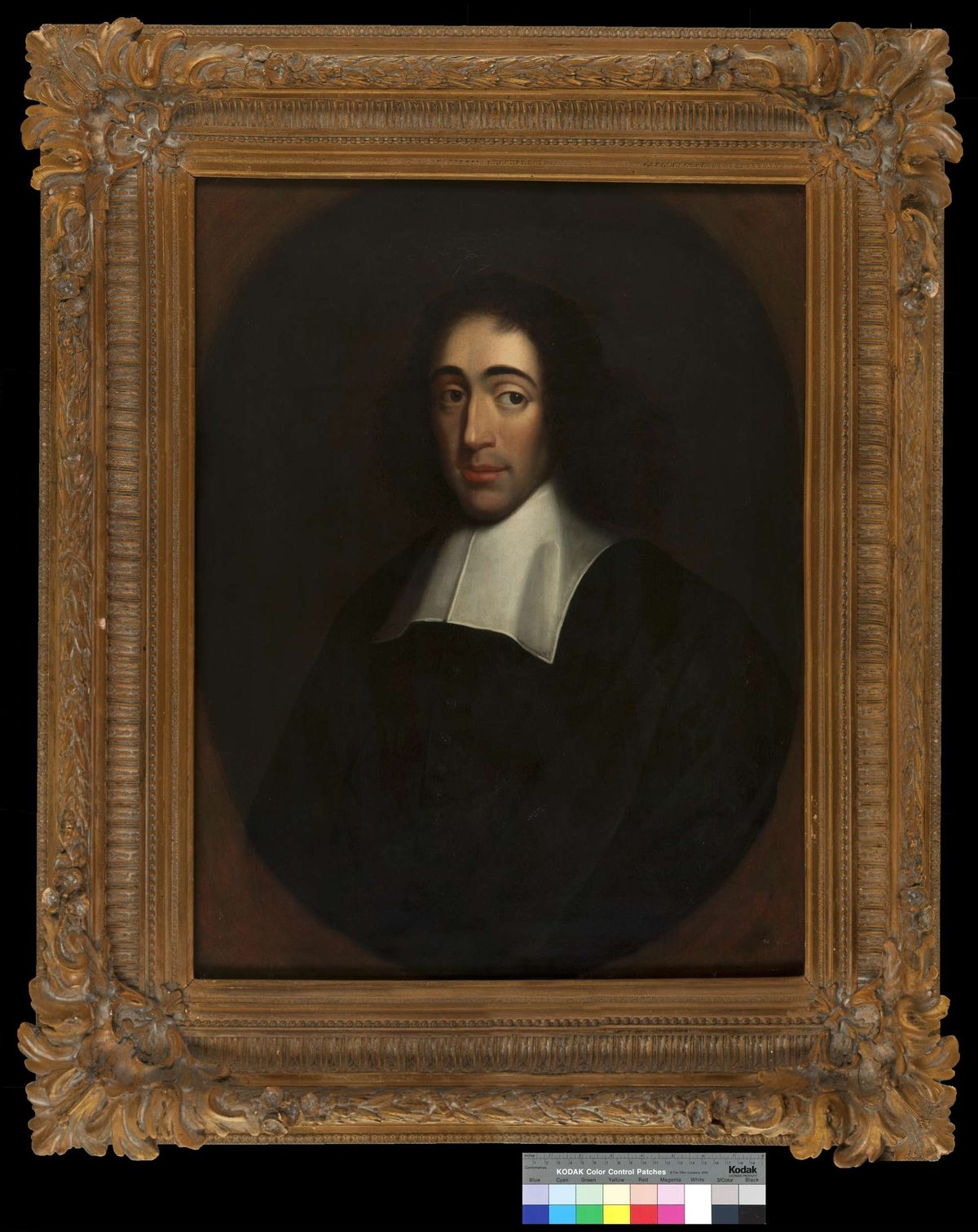
Three Ways of Knowing a Tomato
Sign, reason, singular: Spinoza’s three kinds of knowledge applied to a tomato — from the label to the verifiable product passport.
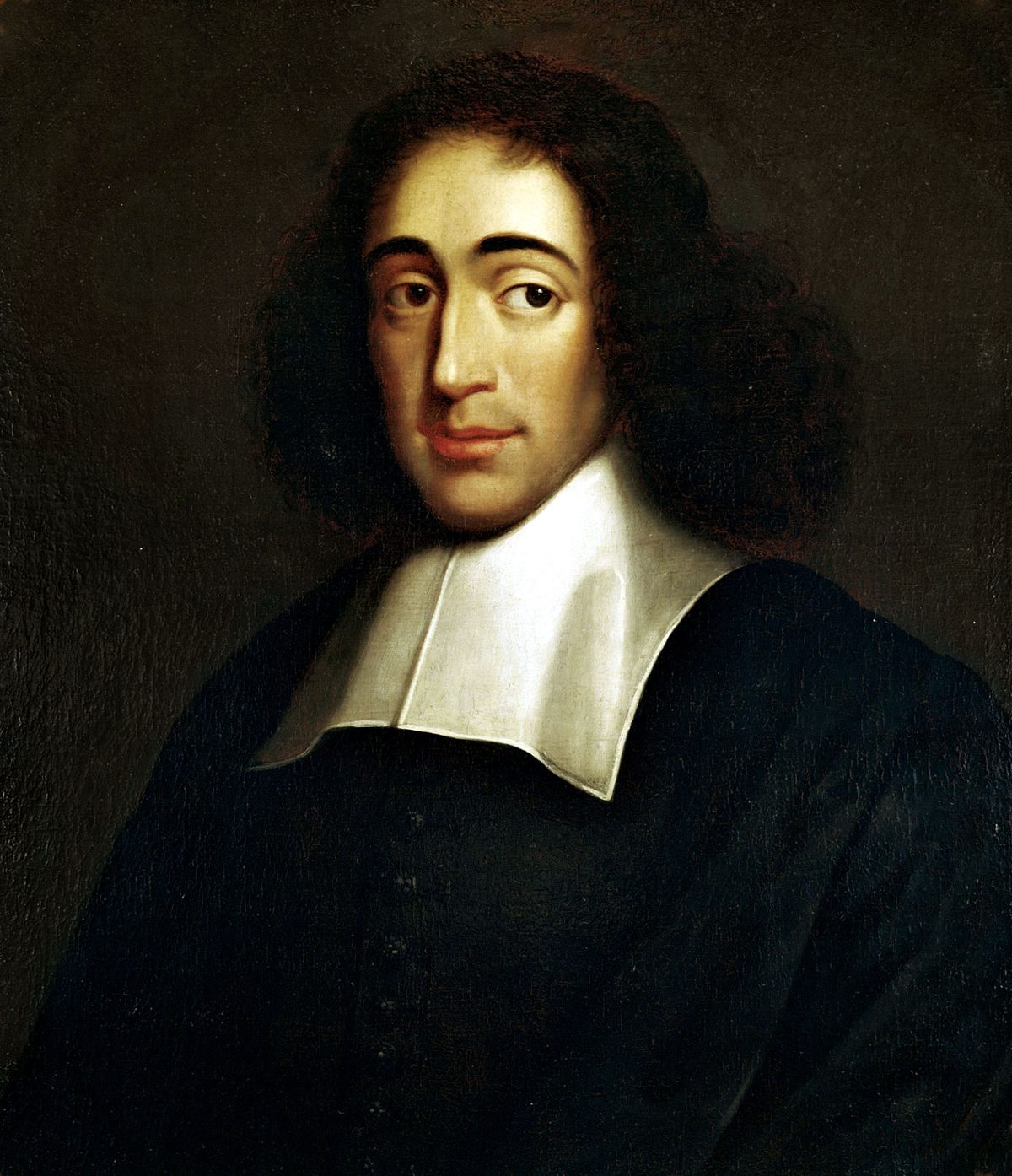
Opacity Is Not a Lie
What a seventeenth-century philosopher has to do with traceability: why the opacity of an origin is not fraud but mutilated knowledge, to be restored rather than punished.

Food traceability: the complete 2026 guide
Definition, regulatory obligations (EU, France), upstream and downstream traceability, digital tools, wine e-label, EUDR, AGEC: everything a producer or distributor needs to know in 2026.