Catégorie
Economics
11 articles

Two Honest People Who Fail to Close
A canteen, a market gardener, a deal that was there to be had — and no deal. A 1983 theorem states what no amount of traceability will ever fix.

Nobody Is Cheating — And That’s Exactly the Problem
John Nash, the prisoner’s dilemma and the stag hunt: why an entire food chain coordinates on price without a single one of its players behaving badly.

Why the Orchard Never Gets Planted
Oliver Williamson: asset specificity, the fundamental transformation, the hold-up. The real cost of opacity is not in the disputes — it is in the orchards that are missing.
What the Price Doesn’t Say
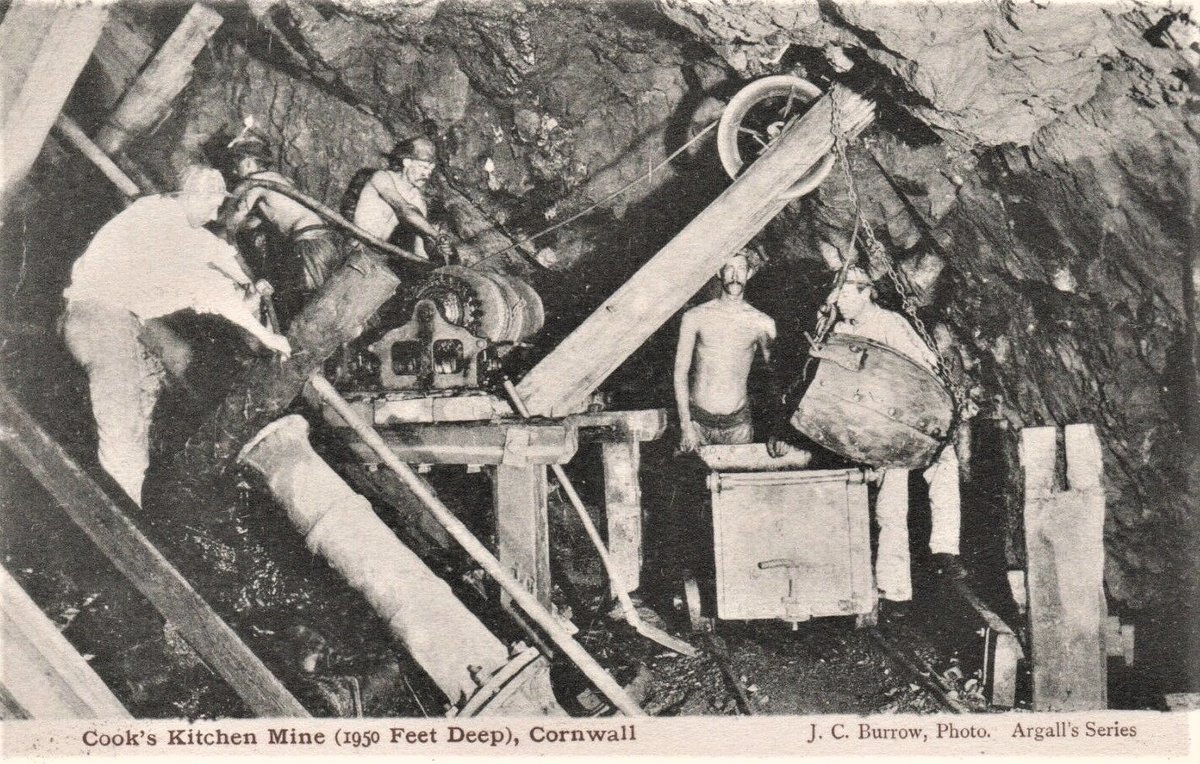
Hayek (1945): price circulates knowledge that no one holds. But it says nothing about quality or path: nothing is missing from the price — what is missing is a price.
No One Will Read the Label
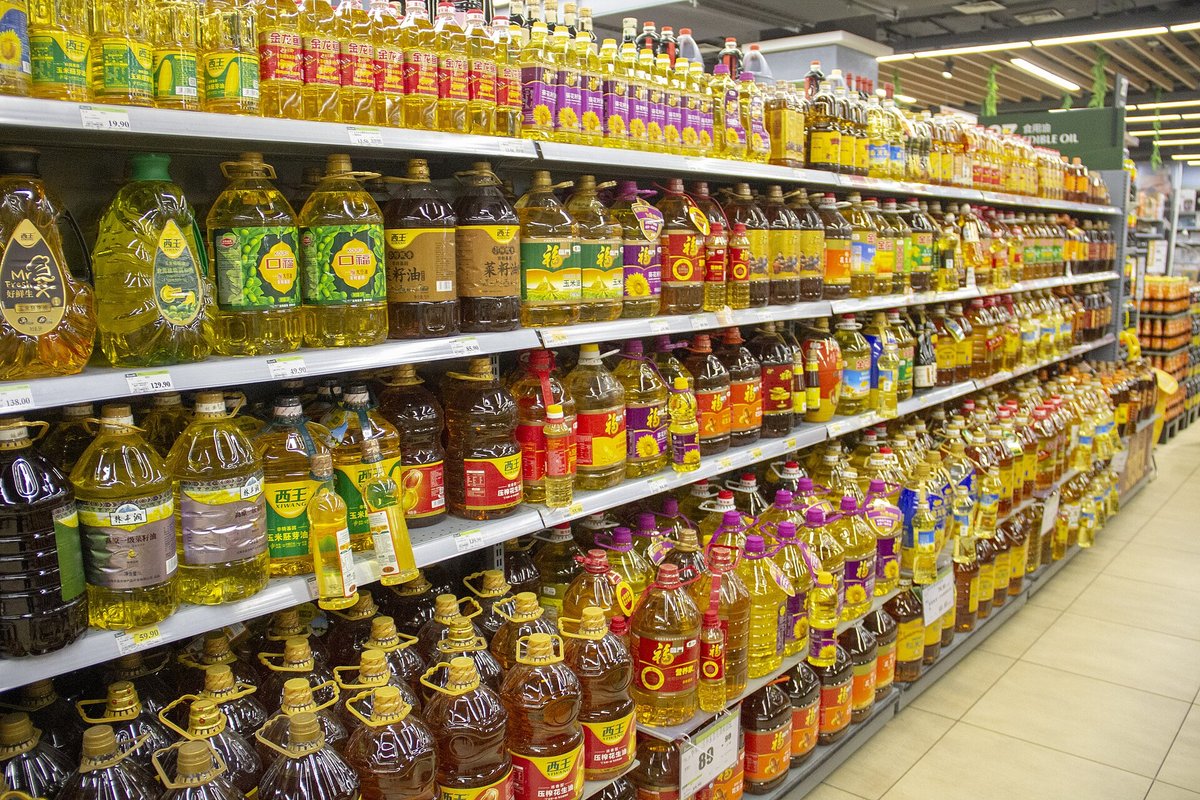
Herbert Simon, bounded rationality: four seconds facing thirty options. The label is a rational shortcut — but it still has to be decompressible.
Everything Was Fine the Day Before
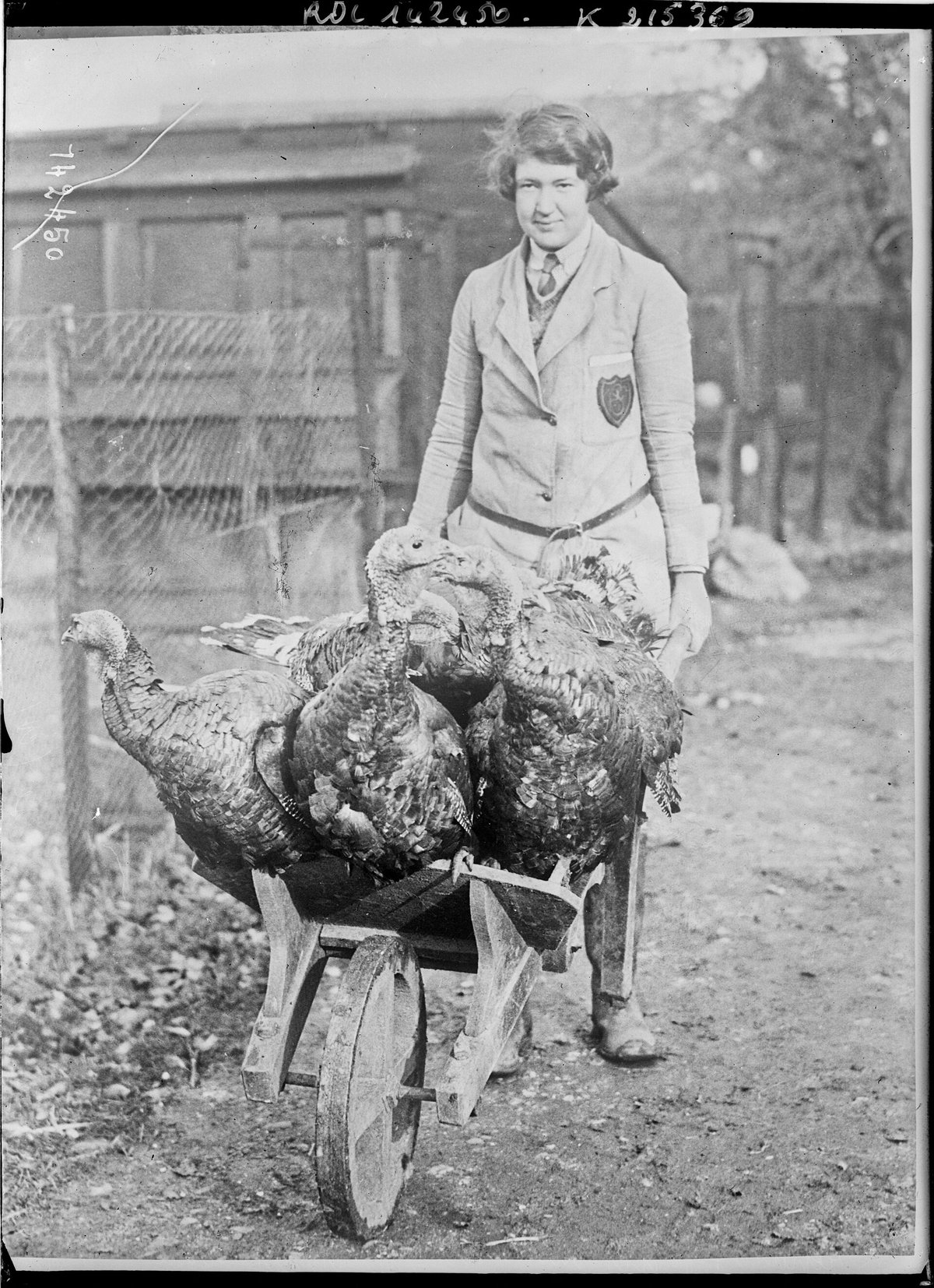
Taleb’s turkey, the optimization that hides its trade-off, the aviation industry that learns: why an opaque chain breaks silently, then all at once.
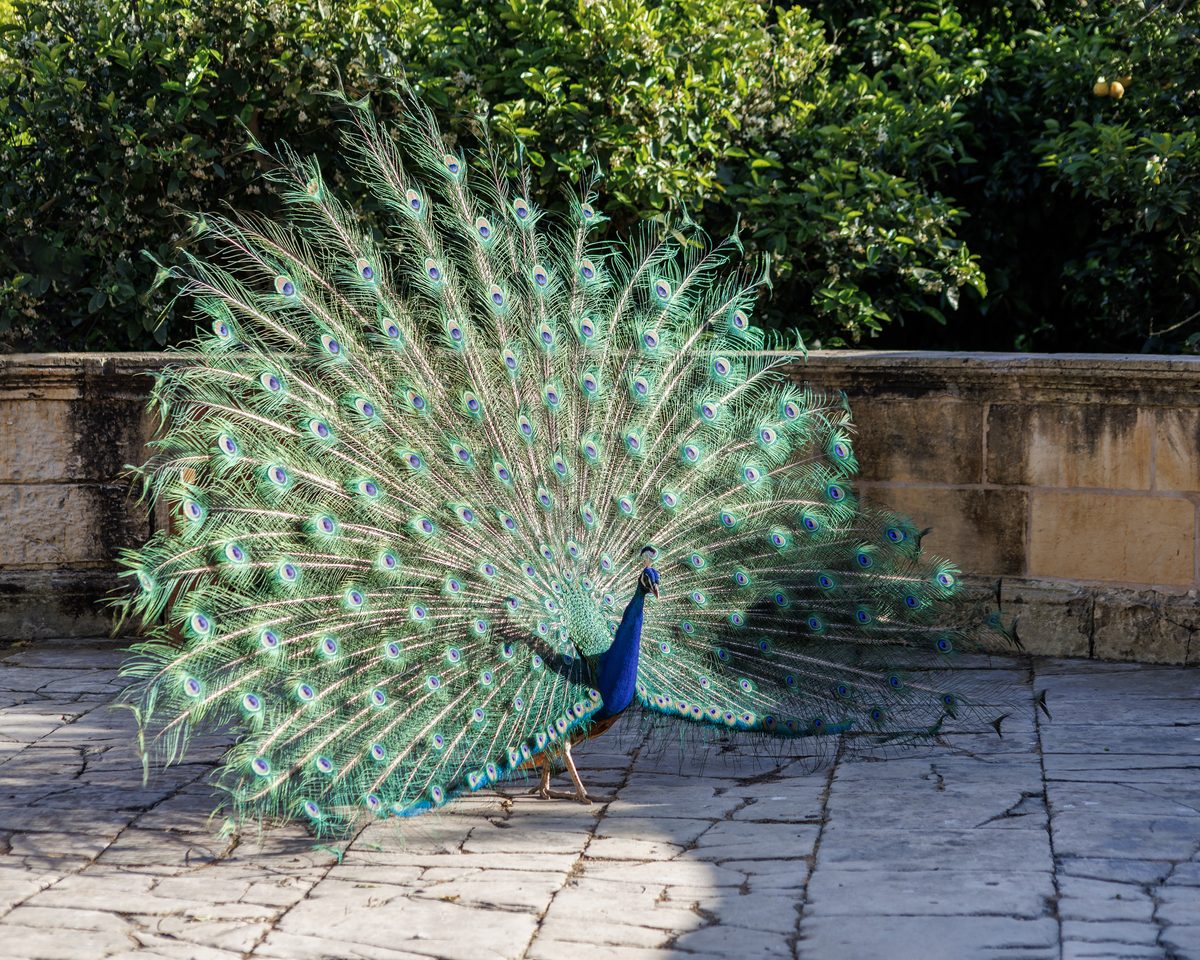
The Market for Lemons: What Akerlof Tells Us About Traceability
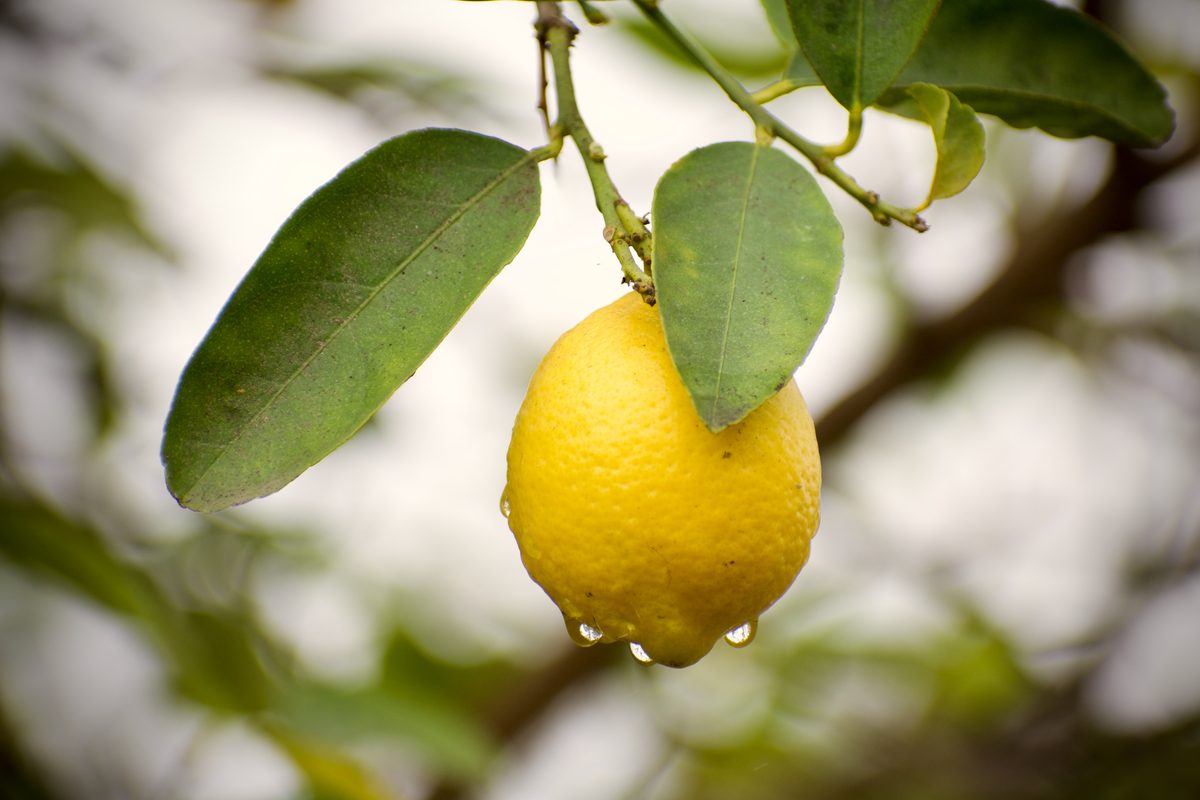
George Akerlof’s (Nobel laureate 1970) “market for lemons” theory explains why, absent proof, a product’s invisible quality ends up priced at the market average — and how traceability answers that.
Why Labels No Longer Convince Anyone
Michael Spence (Nobel 2001), costly signaling, and what separates proof from a promise: why a label anyone can slap on no longer signals anything — and how proof changes the game.
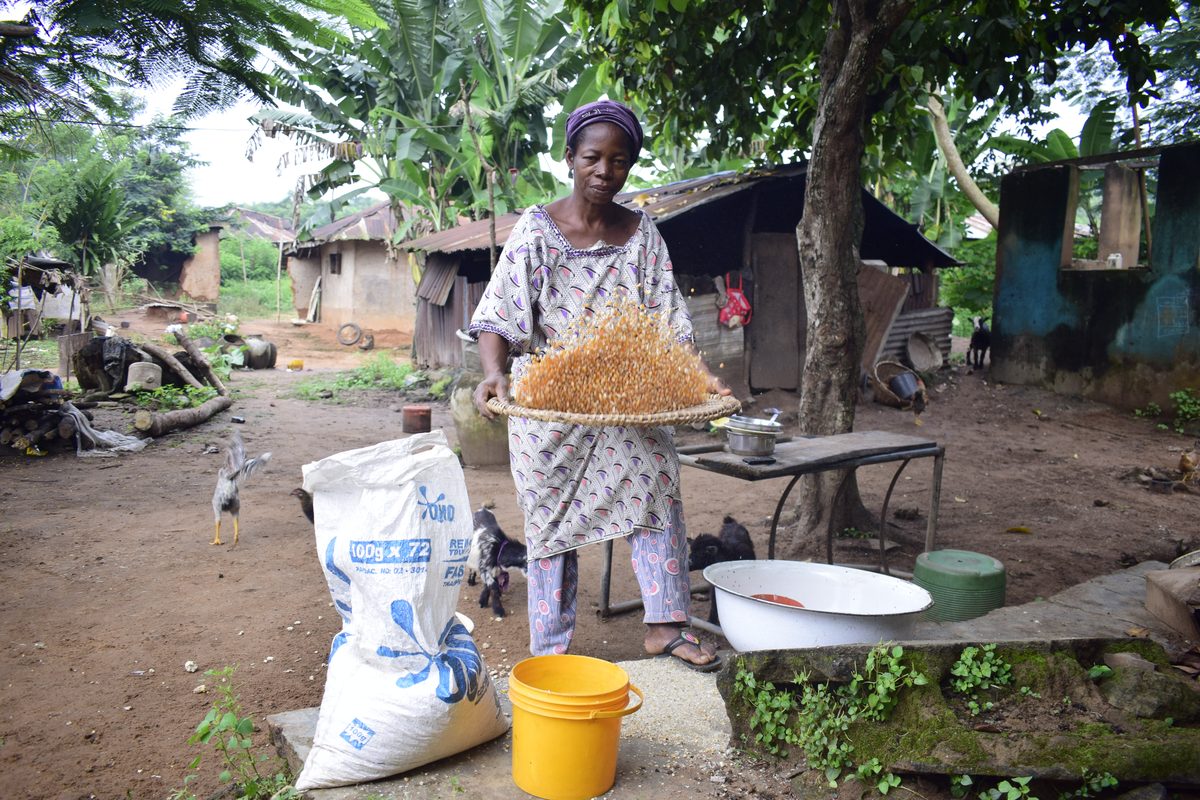
Who Sorts, When No One Proves Anything?
Joseph Stiglitz (Nobel 2001), screening, and why food sovereignty begins with verification: when the seller doesn’t signal, it’s the buyer who organizes the sorting.
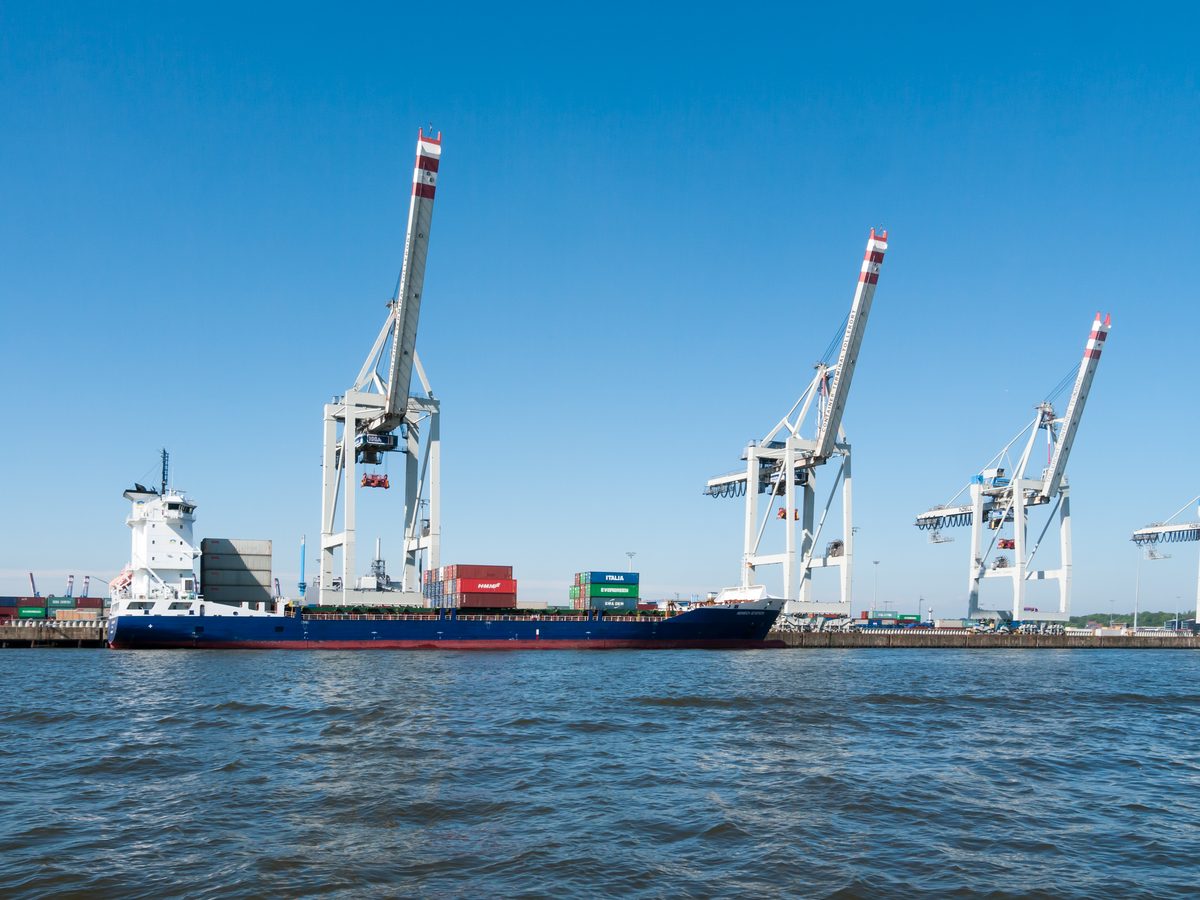
Why Opacity Pays
Ronald Coase (Nobel 1991), transaction costs, and what happens to food supply chains when verification stops costing anything: the opacity rent, and its foretold end.
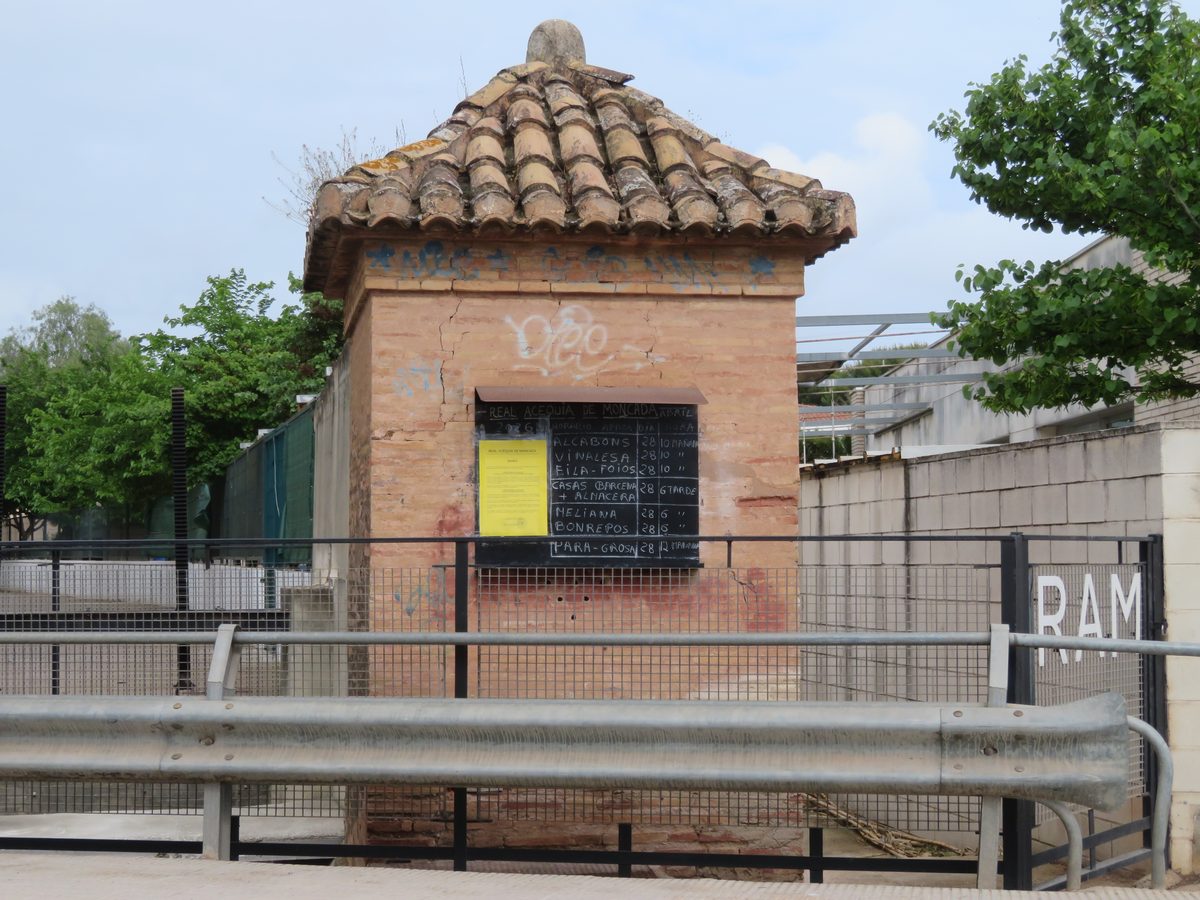
Who Owns the Proof?
Elinor Ostrom (Nobel 2009), the governance of the commons, and the question that killed the agricultural-data platforms: proof whose value lies in its mass can only belong to those who create it.