Catégorie
Philosophy
6 articles
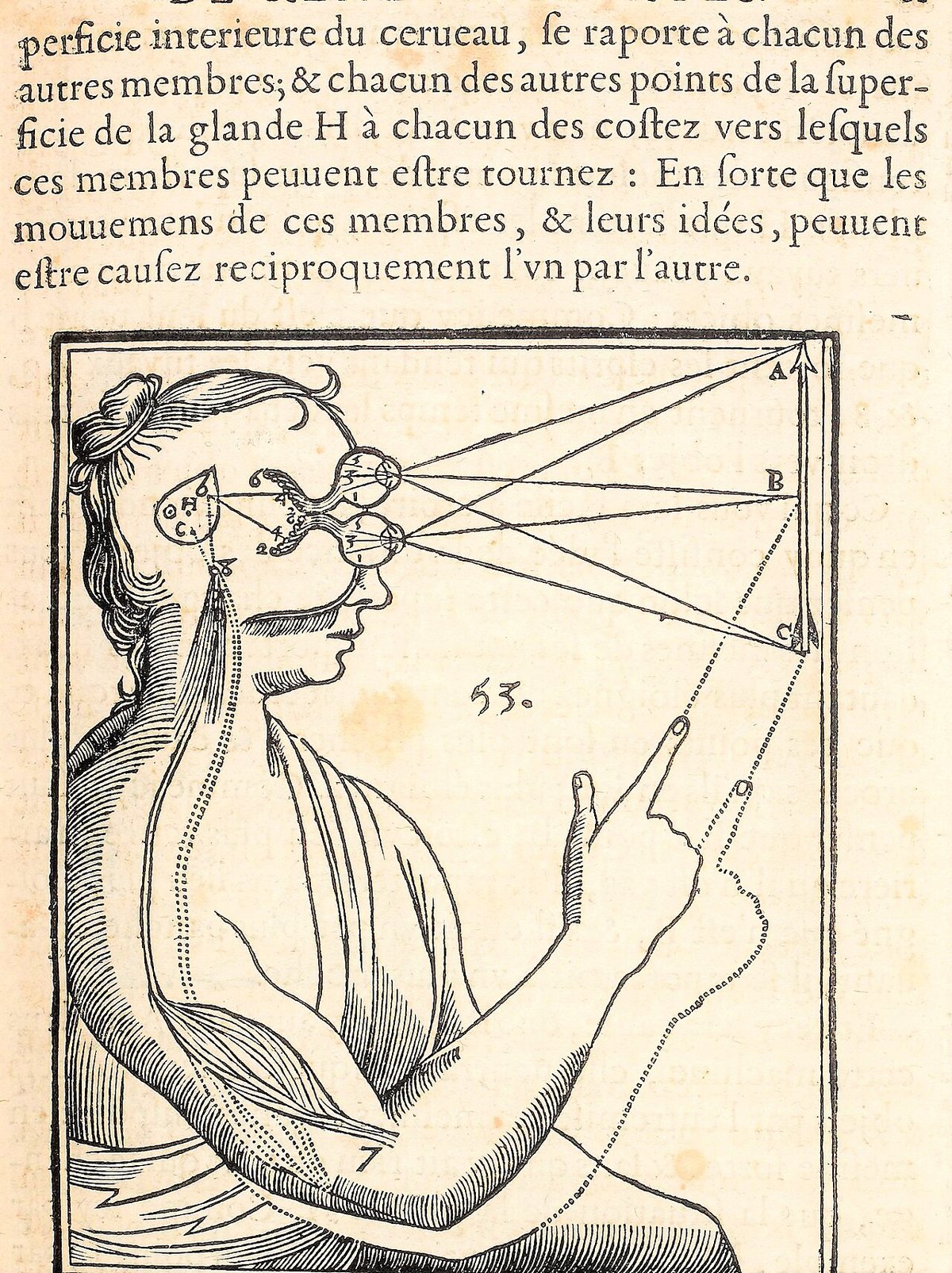
The Batch Number Is a Pineal Gland
Descartes separated thought and extension, then glued them back together with the pineal gland. Declarative traceability does the same thing with the batch number.
The Stamp and the Thing
Ceremony or substance: with Spinoza, why a declaration of conformity is a rite — and how proof finally shows what the standard truly wants.
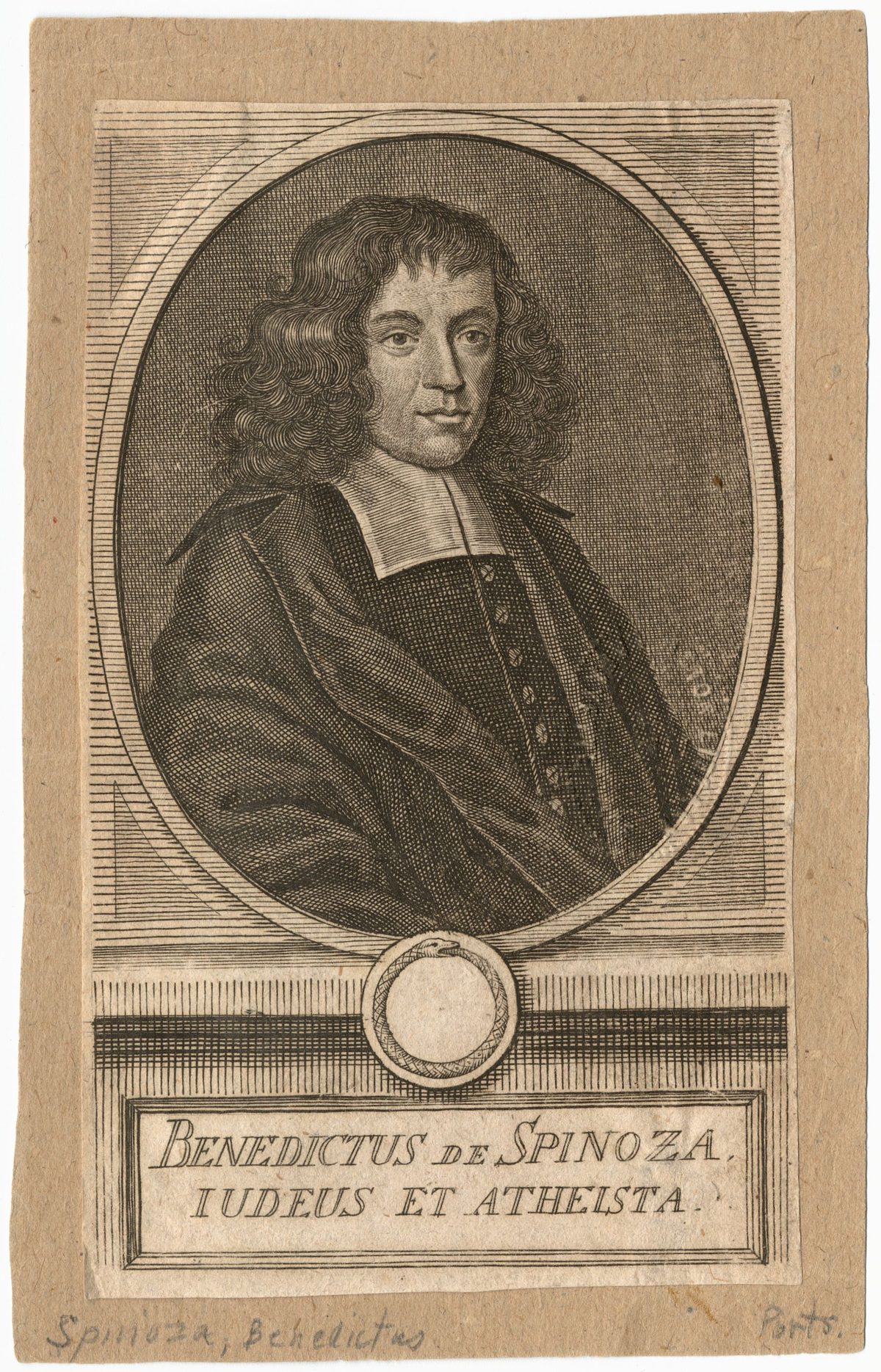
We Don’t Reassure. We Leave Fear Behind.
We do not fight one fear with another: why reassurance is never enough, and how proof leads out of food-related distrust.
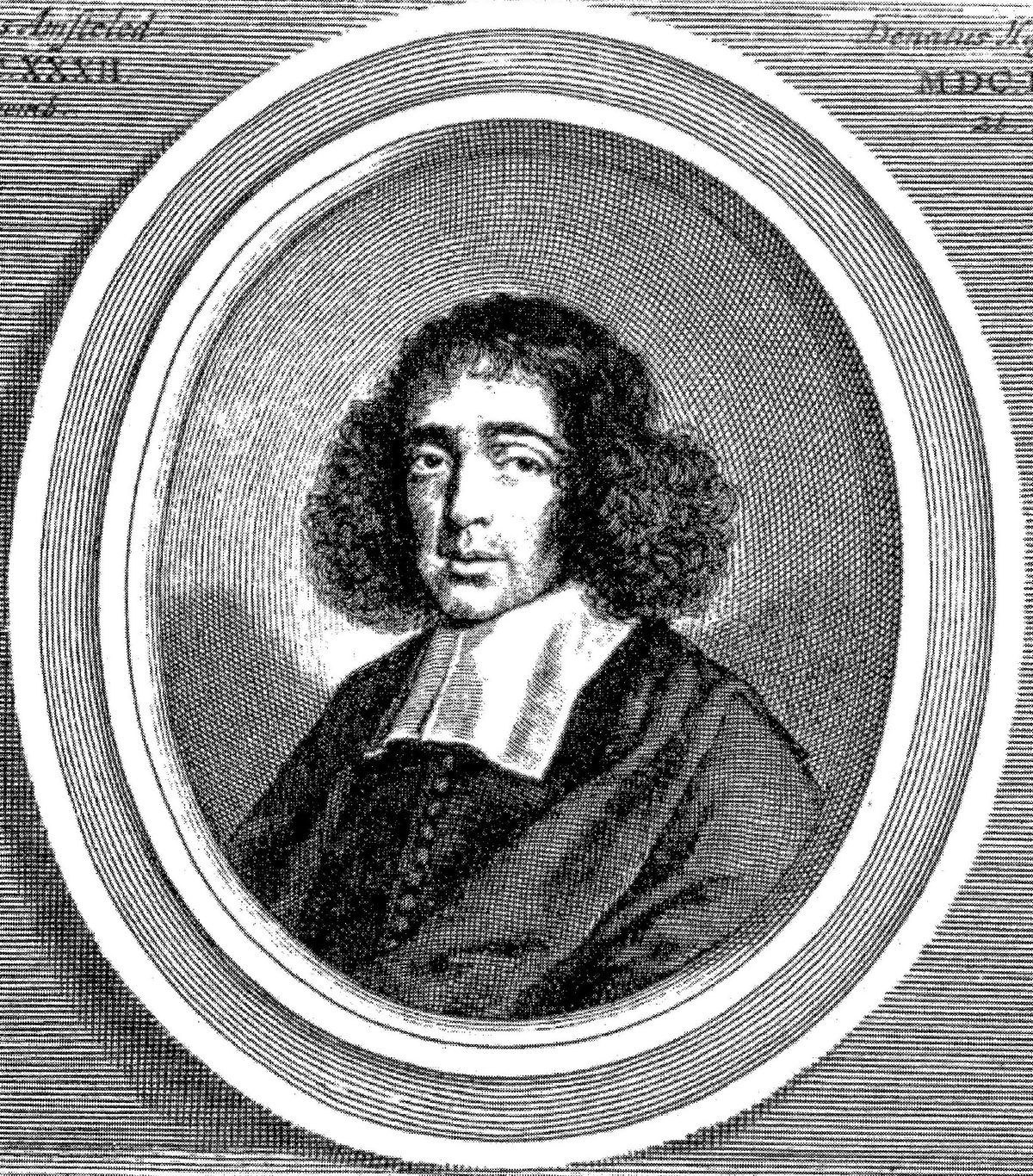
Import Is Not a Sin
Import = bad, local = good? With Spinoza: the good is not a property but a relation. Traceability is a matter of proof, not morality.
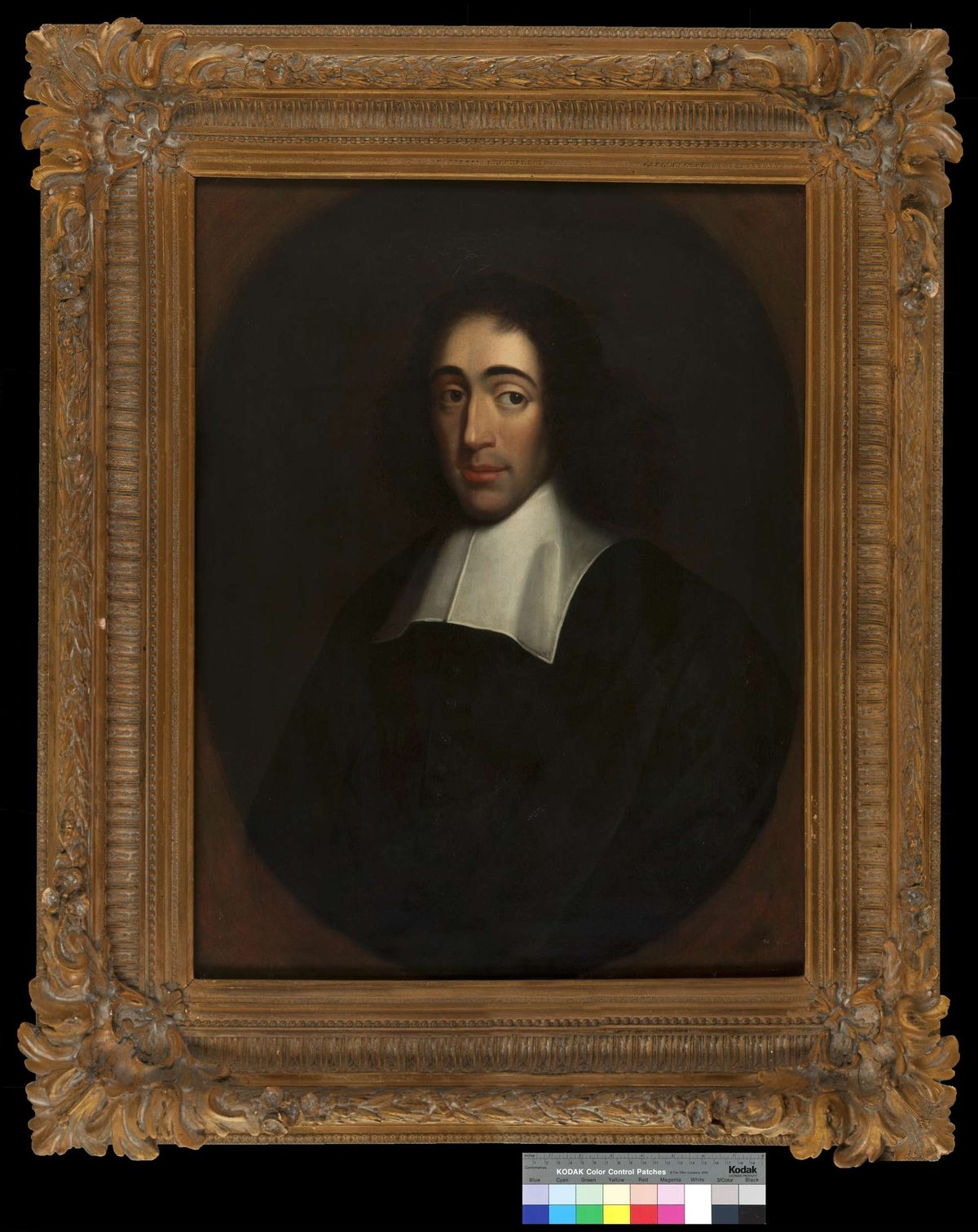
Three Ways of Knowing a Tomato
Sign, reason, singular: Spinoza’s three kinds of knowledge applied to a tomato — from the label to the verifiable product passport.
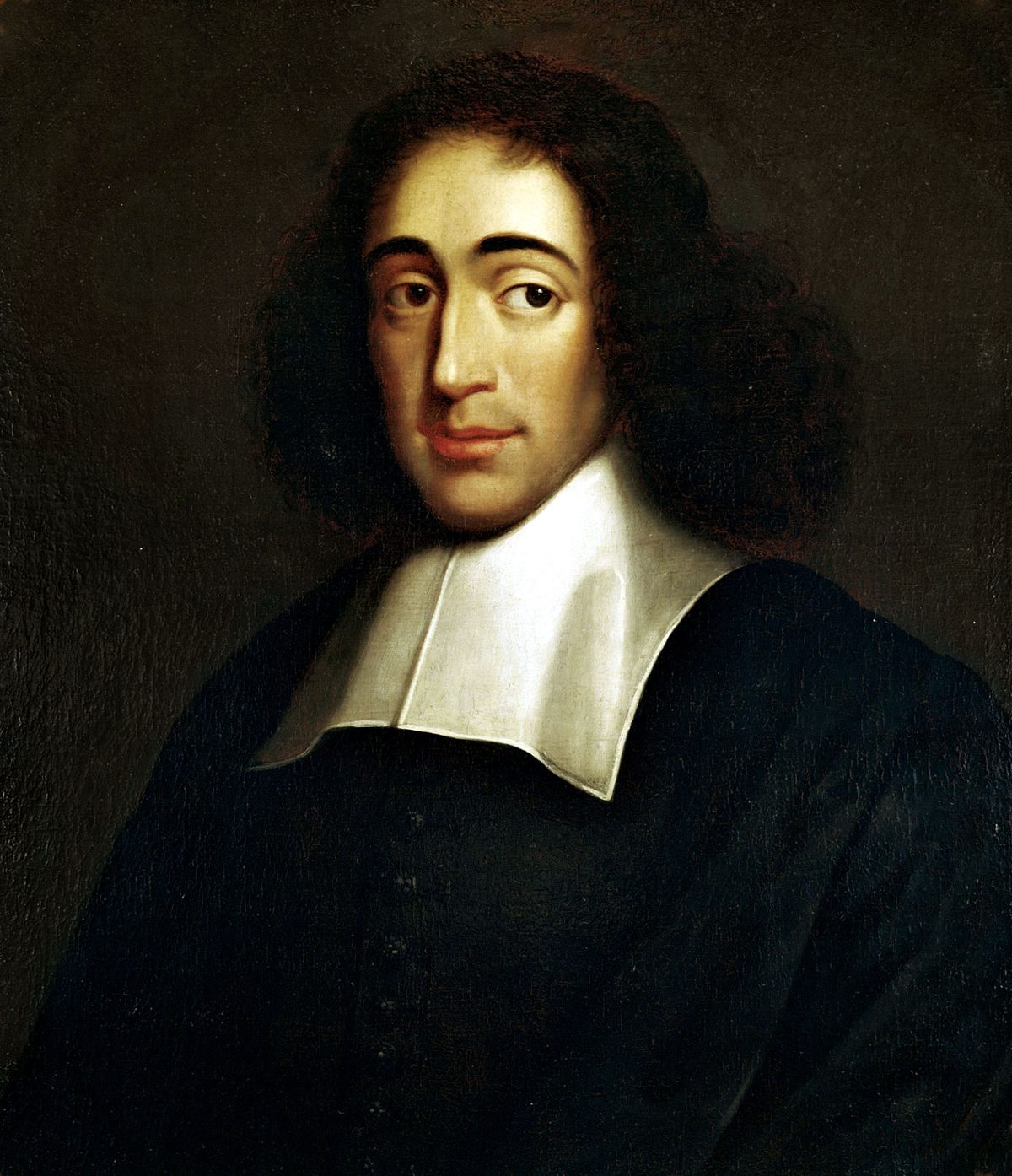
Opacity Is Not a Lie
What a seventeenth-century philosopher has to do with traceability: why the opacity of an origin is not fraud but mutilated knowledge, to be restored rather than punished.